
Anti bot detection is the process of identifying and blocking automated software—commonly called bots—that try to interact with websites or applications in ways that mimic human users. Its primary goal is to differentiate legitimate human traffic from malicious or unauthorized bots, which can cause fraud, spam, scraping, or service abuse. Effective anti bot detection combines software techniques and behavioral analysis to create barriers that stop bots while maintaining a smooth experience for real users.
This post breaks down what anti bot detection entails, how it's implemented, and where popular solutions like CaptchaLa, reCAPTCHA, hCaptcha, and Cloudflare Turnstile fit in the wider bot defense ecosystem.
Key Methods Behind Anti Bot Detection
Anti bot detection typically involves a blend of strategies, each designed to identify telltale signs of automation or scripted behavior:
1. Behavior and Interaction Analysis
Bots struggle to mimic the nuanced patterns of human behavior. Anti bot systems analyze mouse movements, typing speed, scrolling activity, and timing between actions to spot automation. For example, a perfect 100ms interval consistently between clicks is suspicious.
2. Challenge-Response Tests
This classic approach requires users to solve puzzles that are easy for humans but hard for bots—such as image recognition, distorted text, or logic puzzles. While effective, it can add friction and sometimes frustrate users.
3. Browser and Environment Fingerprinting
Anti bot solutions gather details like browser type, version, plugins, time zone, and device capabilities to create a fingerprint. Bots using headless browsers or automation frameworks often lack typical fingerprints or show anomalies.
4. Network and IP Reputation Checks
Requests originating from known data centers, VPNs, or blacklisted IPs raise flags. Rate limiting and anomaly detection also help identify abusive patterns from specific IP addresses.
5. Machine Learning Models
Modern frameworks analyze large datasets of traffic patterns to detect bots with more nuance over time. These models adapt to evolving attack methods but require more resources to implement.
How CaptchaLa Implements Anti Bot Detection
CaptchaLa leverages multiple anti bot techniques with an emphasis on first-party data privacy and developer-friendly integration. Key features include:
- Multi-language UI support with 8 languages for global user accessibility.
- Native SDKs available for popular platforms including Web (JS, Vue, React), iOS, Android, Flutter, and Electron for seamless integration.
- Server-side validation through simple POST requests that verify client tokens with robust security headers, ensuring token authenticity.
- Free tier and scalable pricing accommodating from small projects (1000 validations/mo) to enterprise-scale needs (up to 1M validations/mo).
The architecture balances effective bot detection with minimal user friction by combining behavioral analysis and challenge-response mechanisms only when necessary. CaptchaLa also offers detailed documentation and straightforward pricing for developers.

Comparing Popular Anti Bot Solutions
| Feature | CaptchaLa | reCAPTCHA | hCaptcha | Cloudflare Turnstile |
|---|---|---|---|---|
| Challenge Types | Visual puzzles, token-based | Image recognition, invisible | Image puzzles, privacy-focused | Invisible challenges & tokens |
| Platform SDK Support | Web (JS, Vue, React), Mobile, etc | Web, mobile SDKs | Web, mobile SDKs | Primarily web |
| Privacy Considerations | First-party data only | Google data collection | Privacy-first, GDPR compliant | Cloudflare data routing |
| Free Tier Limits | 1000 verifications/month | Varies, mostly free | Free with limits | Free with Cloudflare account |
| Server-side Validation | Yes, REST API | Yes, REST API | Yes, REST API | Yes, REST API |
| Ease of Integration | Developer-friendly, open docs | Widely adopted, good docs | Moderate learning curve | Easy with Cloudflare ecosystem |
Each solution offers a trade-off between usability, privacy, and bot detection sophistication. CaptchaLa’s focus on developer control and native SDKs across platforms makes it a versatile choice, especially for projects valuing data privacy.
Technical Breakdown: How to Validate a CaptchaLa Token
Here’s a typical server-side token validation process using CaptchaLa's API:
// Example Node.js server snippet for validating CaptchaLa token

const fetch = require('node-fetch');

async function validateCaptcha(token, clientIp) {
  const response = await fetch('https://apiv1.captcha.la/v1/validate', {
    method: 'POST',
    headers: {
      'Content-Type': 'application/json',
      'X-App-Key': process.env.CAPTCHA_API_KEY,       // Your API key
      'X-App-Secret': process.env.CAPTCHA_API_SECRET  // Your API secret
    },
    body: JSON.stringify({
      pass_token: token,
      client_ip: clientIp
    })
  });

  if (!response.ok) {
    throw new Error('Captcha validation request failed');
  }

  const data = await response.json();
  return data.success;  // Boolean indicating valid/invalid
}
This straightforward approach ensures that the token your client received during challenge completion is checked securely on the server before trusting the interaction.
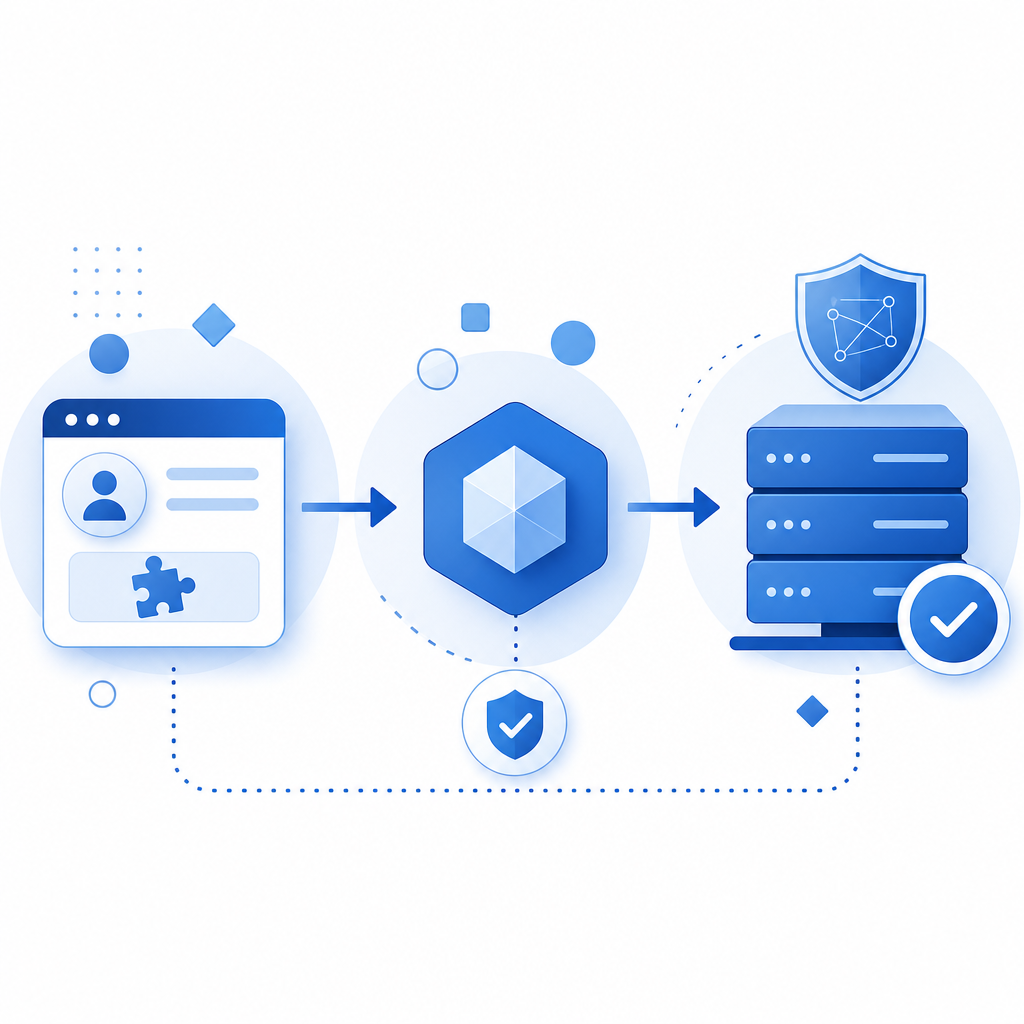
Best Practices for Implementing Anti Bot Detection
Balance User Experience and Security
Avoid excessive challenges that frustrate legitimate users. Use behavioral analysis to limit when challenges appear.Multi-layer Detection
Combine fingerprinting, network reputation, and behavioral analytics with challenge-response to catch sophisticated bots.Monitor and Tune Regularly
Bots evolve. Continuously analyse traffic, adjust thresholds, and update detection algorithms.Leverage SDKs and APIs
Choose providers like CaptchaLa that offer robust SDKs and simple server APIs for easy deployment across platforms.Respect Privacy Regulations
Use solutions that minimize third-party data sharing and comply with GDPR, CCPA, etc.
Effective anti bot detection requires a layered approach combining behavioral patterns, challenge-response tests, and modern validation interfaces. While Google’s reCAPTCHA and hCaptcha are popular, solutions like CaptchaLa provide flexible SDK integrations and strong privacy focus, appealing to many developers seeking control over their bot defense.
If you're interested in exploring CaptchaLa’s capabilities further, check out their detailed documentation or review the pricing plans to find what suits your project size.
This balance will help keep automated abuse out while ensuring real users have smooth and secure experiences.