
The phrase “anti bot code crossword clue” often puzzles those encountering CAPTCHA or bot-defense topics, especially in technical puzzles or security trivia. In straightforward terms, it refers to a cryptic or concise hint that points toward a code or method designed to prevent automated bots from interacting with systems. This “code” is a fundamental part of bot mitigation strategies, often embedded as a CAPTCHA challenge or validation logic.
At its core, an anti bot code acts as a gatekeeper to differentiate human users from malicious automated bots. This can appear as distorted characters, image puzzles, interactive challenges, or invisible scripts verifying user legitimacy. Understanding these clues is key to grasping how applications protect themselves against unwanted bot traffic.
What Does “Anti Bot Code” Mean in Web Security?
Anti bot code refers to snippets or algorithms integrated into websites and services to identify and block non-human traffic. These codes might trigger CAPTCHAs or other challenge-response mechanisms when suspicious behavior is detected.
In crossword puzzles or riddles, an “anti bot code” clue might hint at terms such as:
- Captcha
- Honeypot
- Token validation
- Challenge-response
- Rate limiting
The clue nudges solvers towards concepts or technologies that serve as barriers to automated scripts trying to abuse web services.
Examples of Anti Bot Code Methods
CAPTCHA Challenges
Traditional CAPTCHAs ask users to recognize distorted text or identify objects in images.Invisible CAPTCHAs
Use background scripts to gauge human interaction (mouse movements, keystrokes) before allowing access.Honeypot Fields
Hidden form fields that bots tend to fill out but humans won’t, flagging automated behavior.Behavioral Biometrics
Track unique user behavior signatures to detect bot-like interactions.
Comparing Popular CAPTCHA and Bot Defense Technologies
| Feature | reCAPTCHA (Google) | hCaptcha | Cloudflare Turnstile | CaptchaLa |
|---|---|---|---|---|
| Challenge Types | Text, image, checkbox | Image, checkbox | Invisible, checkbox | Text, interactive, invisible |
| Privacy Focus | Google data collection | Privacy-centric | Minimal data collected | First-party data only |
| SDKs & Platform Support | JS, Android, iOS | JS, mobile | JS | JS, Vue, React, iOS, Android, Flutter, Electron, PHP, Go |
| Free Tier Limits | Free up to certain use | Free tier available | Included with Cloudflare plans | 1000 free validations/mo |
| Enterprise Features | Enterprise options, analytics | Custom configurations | DDoS protection, bot management | Flexible pricing tiers, developer friendly APIs |
While reCAPTCHA is widely known, newer solutions like CaptchaLa offer multilingual support and native SDKs across many platforms with an emphasis on privacy and ease of integration.
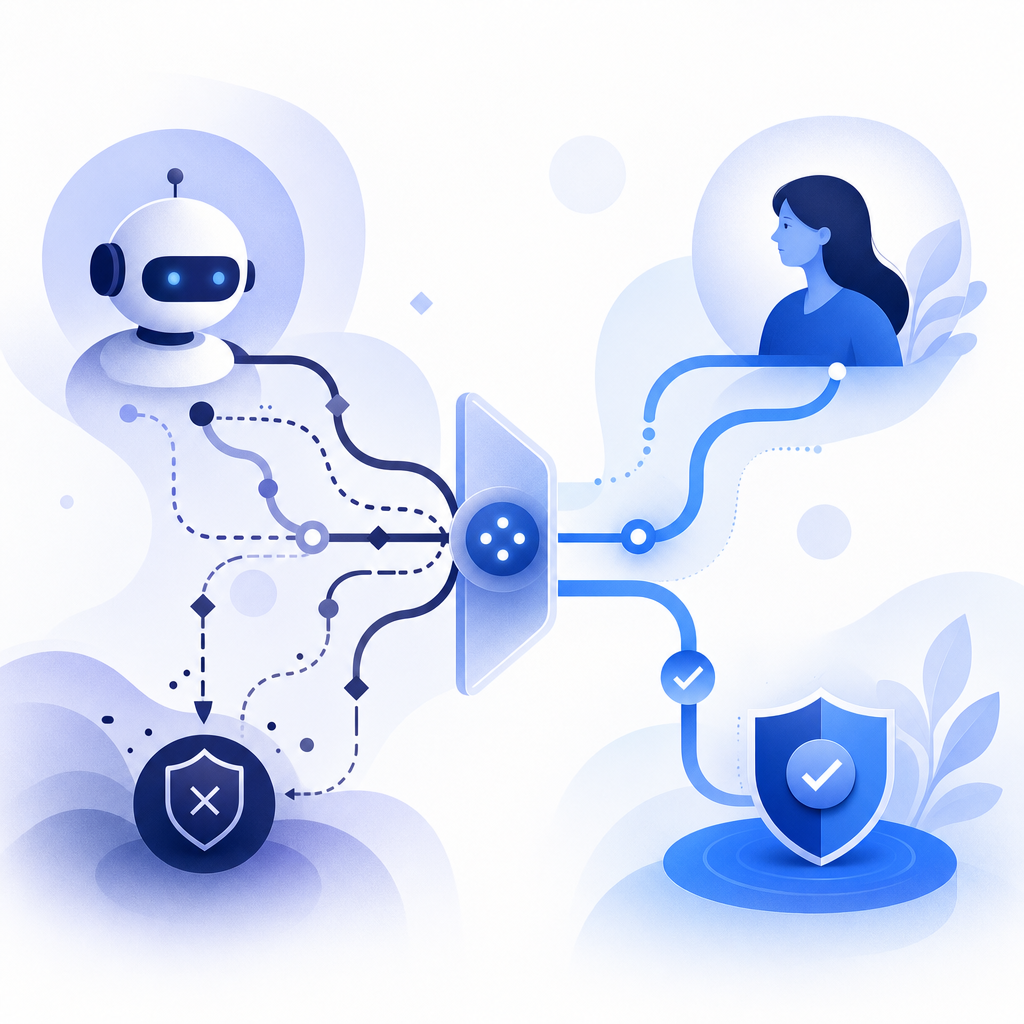
How Anti Bot Code Interacts with CAPTCHA Systems
At the practical level, anti bot code powers the logic that creates, issues, and validates CAPTCHA challenges. For example, CaptchaLa provides a server-token API to issue secure challenge tokens and a validation endpoint where a submitted token, along with the client IP, is verified before allowing access.
Here’s an example flow simplified in pseudocode:
// Client requests a new CAPTCHA challenge token
challengeToken = requestServerToken()

// User completes CAPTCHA challenge using challengeToken

// Client sends verification request
response = validateCaptcha({
  pass_token: userResponseToken,
  client_ip: userIP
})

// Server checks if response is valid
if(response.success) {
  // Proceed with user request
} else {
  // Block or throttle request
}
This infrastructure is essential for reliable bot detection. Without an underlying anti bot code, CAPTCHA challenges cannot be issued or verified securely.
Technical Specifics in Anti Bot Code
- Token Issuance: Ensures each challenge is unique and tied to a session.
- Client Interaction Capture: Detects real human interactions (mouse, keyboard, touch).
- Challenge Validation: Server-side verification to prevent token forgery.
- Rate Limiting and IP Analysis: Supplements challenge data to spot suspicious access patterns.
- Localization: Supports multiple UI languages to enhance usability internationally.
CaptchaLa currently supports 8 different interface languages and offers SDKs for web and native platforms, ensuring developers can seamlessly implement these technical layers.
Why Understanding These Clues Matters to Developers
If you come across the term “anti bot code crossword clue” in a puzzle or security context, appreciating its implication helps you:
- Recognize the role of precise coding techniques in safeguarding digital ecosystems.
- Understand the interplay between user experience and security—good anti bot code balances friction and accessibility.
- Identify and choose CAPTCHA or bot defense solutions that fit your app’s needs, such as those available from CaptchaLa and others.
As bots get more sophisticated, anti bot codes and challenges must evolve. Open-source projects, cloud services, and commercial providers each contribute different strengths and trade-offs in usability, privacy, and effectiveness.
Conclusion
The “anti bot code crossword clue” essentially points toward the software mechanisms crafted to distinguish humans from bots. Whether encountered in puzzles or practical website defenses, these codes underpin CAPTCHA systems and bot mitigation strategies.
Solutions like CaptchaLa, with its flexible APIs, native SDKs, and privacy-focused design, provide developers straightforward tools to integrate such anti bot code. Alongside alternatives like reCAPTCHA, hCaptcha, and Cloudflare Turnstile, each platform offers unique approaches to this foundational challenge.
For those interested in delving deeper into anti bot code implementation or exploring CaptchaLa’s capabilities and options, visiting the docs or checking out the pricing page is a great next step.
Understanding these clues not only helps solve puzzles but fortifies the digital world’s defenses against unwanted automation.