
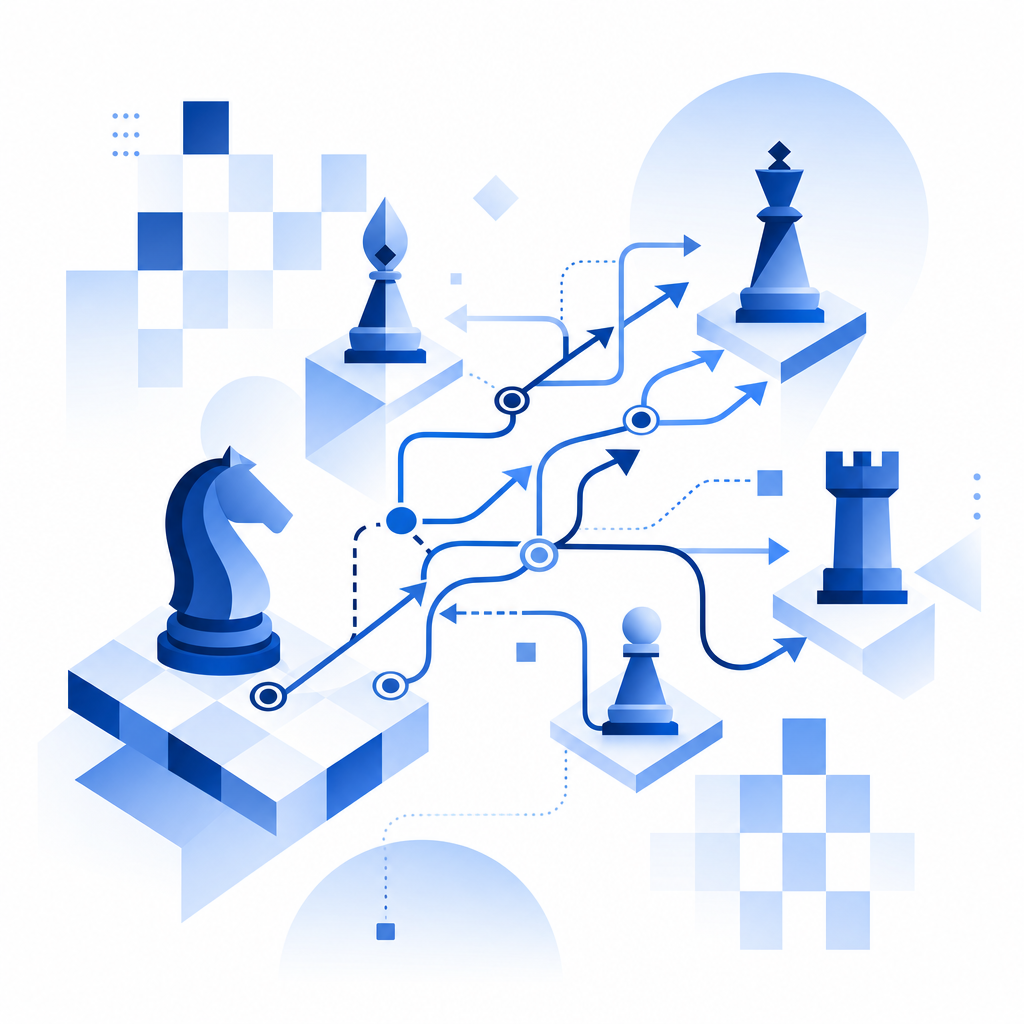
Anti bot chess is a strategic approach to detecting and mitigating automated bot attacks by using challenging logic puzzles, similar to chess moves, to separate humans from bots. Rather than relying on simpler tests, this method employs layered challenges that require reasoning or interaction patterns difficult for bots but natural for humans. Online services aiming to defend against sophisticated automation increasingly adopt such techniques to protect account registrations, online voting, ticketing, and gaming platforms.
What Is Anti Bot Chess and Why Does It Matter?
Unlike traditional CAPTCHAs that present distorted text or image recognition tasks, anti bot chess challenges simulate logical or strategic problems inspired by chess or similar board games. These puzzles require users to think through steps, anticipate moves, or identify patterns in a way that’s computationally costly for bots to solve consistently at scale.
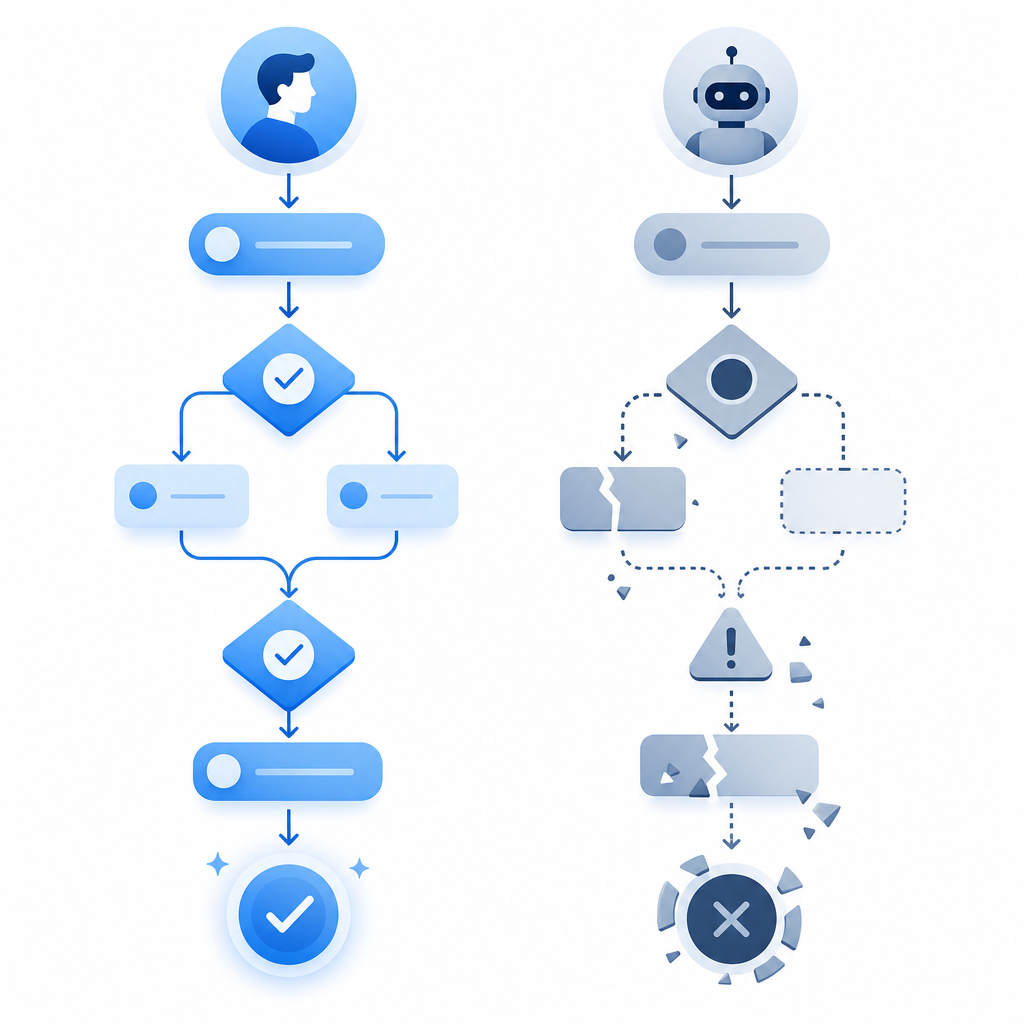
Bots today leverage AI models capable of solving simple CAPTCHA challenges rapidly, making many conventional tests less effective. An anti bot chess challenge raises the bar by requiring:
- Multi-step reasoning rather than single-step verification
- Interaction patterns that mimic human tactical thinking
- Dynamic puzzles that vary between sessions to avoid pattern recognition solutions
By demanding cognitive engagement beyond pattern matching, these challenges are effective in slowing down or blocking bots, limiting credential stuffing, spam account creation, and other automated abuse.
How Anti Bot Chess Compares to Traditional CAPTCHA Methods
| Feature | Text/Image CAPTCHAs | Anti Bot Chess | Other Methods (e.g., reCAPTCHA, Turnstile) |
|---|---|---|---|
| Challenge Complexity | Low to moderate | Moderate to high | Varies (often invisible, behavioral-based) |
| User Interaction | Typing, image clicks | Multi-step logic or move selection | Passive or minimal user action |
| Bot Solving Difficulty | Moderate | High | Moderate to high (based on behavior analysis) |
| Accessibility Considerations | Issues with vision impairments | Potentially better with UI design | Usually good, some have audio options |
| False Positives / Friction | Moderate user frustration | Depends on puzzle difficulty | Generally low with invisible methods |
Anti bot chess mechanisms typically require more user engagement than invisible systems but less frustration than distorted CAPTCHAs. Platforms like CaptchaLa include options for customizing challenge difficulty alongside other bot defense tools to maintain usability without sacrificing security.
Implementing Anti Bot Chess with CaptchaLa
Integrating anti bot chess style challenges can be streamlined using CaptchaLa’s robust SDKs and APIs:
1. Choose the Right SDK
CaptchaLa supports multiple platforms: Web (JavaScript, Vue, React), iOS, Android, Flutter, and Electron. For example, a React app can use the native SDK to display chess-inspired puzzles directly in the user flow.
2. Generate Server-side Challenges
Use the server token endpoint to issue a unique challenge per user session:
// Example of issuing a server challenge (pseudo-code)
// Comments explain each step

POST https://apiv1.captcha.la/v1/server/challenge/issue
Headers: X-App-Key, X-App-Secret

// Response includes challenge data (e.g., chess puzzle parameters)
3. Validate User Responses
After the user attempts the challenge, send the response token to the validation endpoint along with the client IP to confirm legitimacy.
4. Adjust Difficulty Dynamically
Based on detected traffic patterns or suspicious behavior, increase puzzle complexity or frequency dynamically, reducing false positives for regular users.
This flexibility helps balance security and user experience, a common challenge when deploying interactive bot defenses.
Comparing CaptchaLa with Other Popular BOT Defenses
- reCAPTCHA (Google): Popular and widely integrated, offering image puzzles and invisible behavioral checks. Can face criticism for privacy and data sharing aspects.
- hCaptcha: Focuses on privacy and monetization options, with similar image/video challenges.
- Cloudflare Turnstile: Invisible, passive fingerprinting-based checks with fast user experience, but less interactive challenge complexity.
While these solutions excel in ease of use, CaptchaLa adds value by offering more customizable challenge types like anti bot chess, giving developers deeper control over challenge design and integration language options. This diversity is valuable in combating increasingly complex bot behaviors.
Key Technical Considerations for Anti Bot Chess Implementation
- Session Uniqueness: Each chess puzzle instance must be unique per session to prevent replay attacks.
- Challenge Diversity: Rotate puzzle types and difficulty to avoid automated solvers adapting quickly.
- Accessibility Compliance: Provide alternative navigation and hints for users with disabilities.
- Latency Impact: Ensure challenge loading and validation are optimized to maintain site speed.
- Data Privacy: Handle user interaction data securely, preferably with first-party data collection only (as CaptchaLa emphasizes).
These factors contribute significantly to maintaining both security and smooth user experience.
Conclusion: Enhancing Bot Defense with Anti Bot Chess Strategies
Anti bot chess represents a shift towards more cognitively demanding bot challenges, closing gaps left by AI-driven bot solvers on traditional CAPTCHA types. Incorporating these tactics via tools like CaptchaLa provides nuanced control over bot mitigation strategies and can complement existing anti-bot frameworks such as reCAPTCHA or Turnstile.
For developers interested in exploring anti bot chess integration or broader bot defense strategies, CaptchaLa’s flexible SDKs, multiple platform support, and comprehensive documentation offer practical starting points. Their free tier accommodates low volumes for trial, scaling up through Pro and Business plans as traffic demands grow.
Where to go next? Check out CaptchaLa’s pricing plans or dive into the full developer docs to explore SDKs and APIs for adding sophisticated anti bot chess challenges to your applications.