
When it comes to securing Keepa data against unwanted automation, implementing an effective anti bot check is essential. Keepa, a popular price tracking tool for Amazon products, is a target for bots that scrape large volumes of pricing and sales data. Protecting your Keepa integrations with anti bot defenses prevents data theft, abuse, and potential service disruptions.
In this post, we’ll explain what an anti bot check means in the context of Keepa, explore different solutions—including how CaptchaLa fits into the picture—and provide practical guidance on implementation.
What Is an Anti Bot Check for Keepa?
An anti bot check for Keepa is a system or process designed to verify that interactions with Keepa APIs or web interfaces come from legitimate human users or authorized clients, not automated bots. Since Keepa data is highly valuable for price intelligence and analytics, malicious actors often deploy scraping bots that can overload Keepa’s servers or extract data in violation of terms.
Anti bot checks can include:
- CAPTCHA challenges that require humans to prove they aren’t bots.
- Behavioral analysis to identify non-human usage patterns.
- IP reputation and rate limiting.
- Token-based validation ensuring legitimate app usage.
Together, these techniques reduce abusive traffic, protect sensitive data, and ensure fair use of Keepa’s API and web services.
Common Anti Bot Techniques Relevant to Keepa
CAPTCHA Challenges
CAPTCHA challenges are among the most common anti bot checks used across web services. They typically present a test—like identifying objects in images or solving puzzles—that humans can solve but bots struggle with.
Popular CAPTCHA providers include:
| Provider | Features | Integration | Pricing Model |
|---|---|---|---|
| reCAPTCHA (Google) | Image/audio CAPTCHA, Invisible CAPTCHA | JavaScript widget, server-side validation | Free/Paid tiers |
| hCaptcha | Privacy-focused, customizable | JS widget, server-side APIs | Usage-based pricing |
| Cloudflare Turnstile | User-friendly, frictionless | Lightweight JS, server verification | Free with Cloudflare services |
| CaptchaLa | Multi-language, native SDKs for web & apps, first-party data only | JS loader, server-side validation APIs | Free + scalable paid tiers |
For Keepa users embedding price tracking or analytics features, CAPTCHA can prevent automated bot requests to Keepa’s API. When a suspicious request occurs—like rapid repeated queries from the same IP—an anti bot check triggers a CAPTCHA challenge.
Token-Based Validation
Beyond CAPTCHAs, implementing secure token-based validation strengthens authorization. For example, clients requesting Keepa data must include tokens issued via your backend, verified server-side. This technique limits the ability of bots to call your Keepa integrations directly without passing anti bot checks.
Rate Limiting and IP Filtering
Rate limiting restricts the number of Keepa API requests from a single IP or client within a timeframe. IP filtering blocks known bad IP addresses associated with bots or proxies. When combined with CAPTCHAs and tokens, these measures form a layered defense.
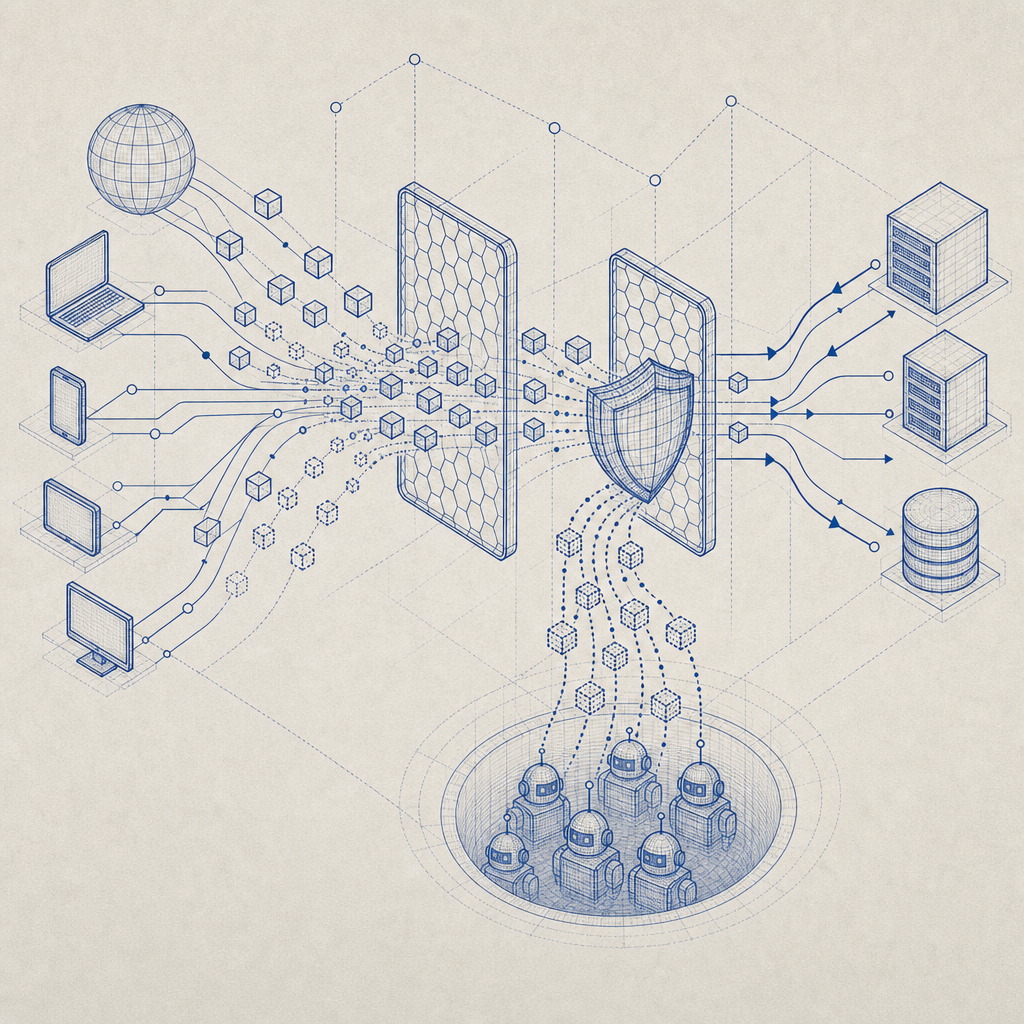
Integrating CaptchaLa for Anti Bot Check Keepa Use Cases
CaptchaLa offers a flexible CAPTCHA system well-suited for protecting Keepa integrations:
- Multi-language UI: CaptchaLa supports eight UI languages, helping you provide localized anti bot checks.
- Native SDKs: Available for Web (JavaScript, Vue, React), iOS, Android, Flutter, and Electron, facilitating easy integration across platforms.
- Server SDKs: Includes PHP and Go libraries for robust backend validation.
- Lightweight Loader: The
https://cdn.captcha-cdn.net/captchala-loader.jsscript enables fast client-side CAPTCHA rendering. - Scalable Plans: CaptchaLa provides a free tier (1000 validations/mo) and scalable pricing—ideal to start small and grow.
Basic Sample Workflow with CaptchaLa and Keepa
- Client Request: User or app requests Keepa data (e.g., price history).
- Bot Check Trigger: If the request is flagged as suspicious, serve a CaptchaLa challenge.
- User Solves CAPTCHA: Client submits CAPTCHA response token.
- Server Validation: Validate the token with CaptchaLa’s server (
POST https://apiv1.captcha.la/v1/validate). - Conditional Allowance: On success, proxy or allow Keepa API access, else block.
// Example: Validate CaptchaLa token before calling Keepa API
async function verifyBotCheck(pass_token, client_ip) {
  const response = await fetch('https://apiv1.captcha.la/v1/validate', {
    method: 'POST',
    headers: {
      'Content-Type': 'application/json',
      'X-App-Key': 'your_app_key',
      'X-App-Secret': 'your_app_secret'
    },
    body: JSON.stringify({ pass_token, client_ip })
  });
  const data = await response.json();
  return data.success === true;
}
This added verification helps ensure Keepa data requests come from legitimate users or authorized apps.
Comparing CaptchaLa with Other CAPTCHA Solutions in Keepa Context
Finding the right anti bot check solution depends on your specific needs. Here’s a quick comparison to consider:
| Feature | CaptchaLa | reCAPTCHA | hCaptcha | Cloudflare Turnstile |
|---|---|---|---|---|
| Ease of Integration | Native SDKs for many platforms | Widely used, simple JS widget | Flexible, privacy centered | Lightweight, no CAPTCHA UI |
| Privacy Focus | First-party data, privacy conscious | Google data collection involved | Privacy-first, GDPR compliant | Minimal data collected |
| User Experience | Customizable, multi-language UI | Invisible CAPTCHA option | Slider/image challenges | Very frictionless |
| Pricing | Free tier + scalable paid plans | Free with limits + Enterprise | Usage-based fees | Free with Cloudflare service |
| API Validation Server-Side | Yes, with SDK support | Yes, standard | Yes | Yes |
For applications deeply integrated with Keepa, CaptchaLa’s native SDKs and multi-language UI can provide tailored anti bot checks without relying on large third-party platforms.
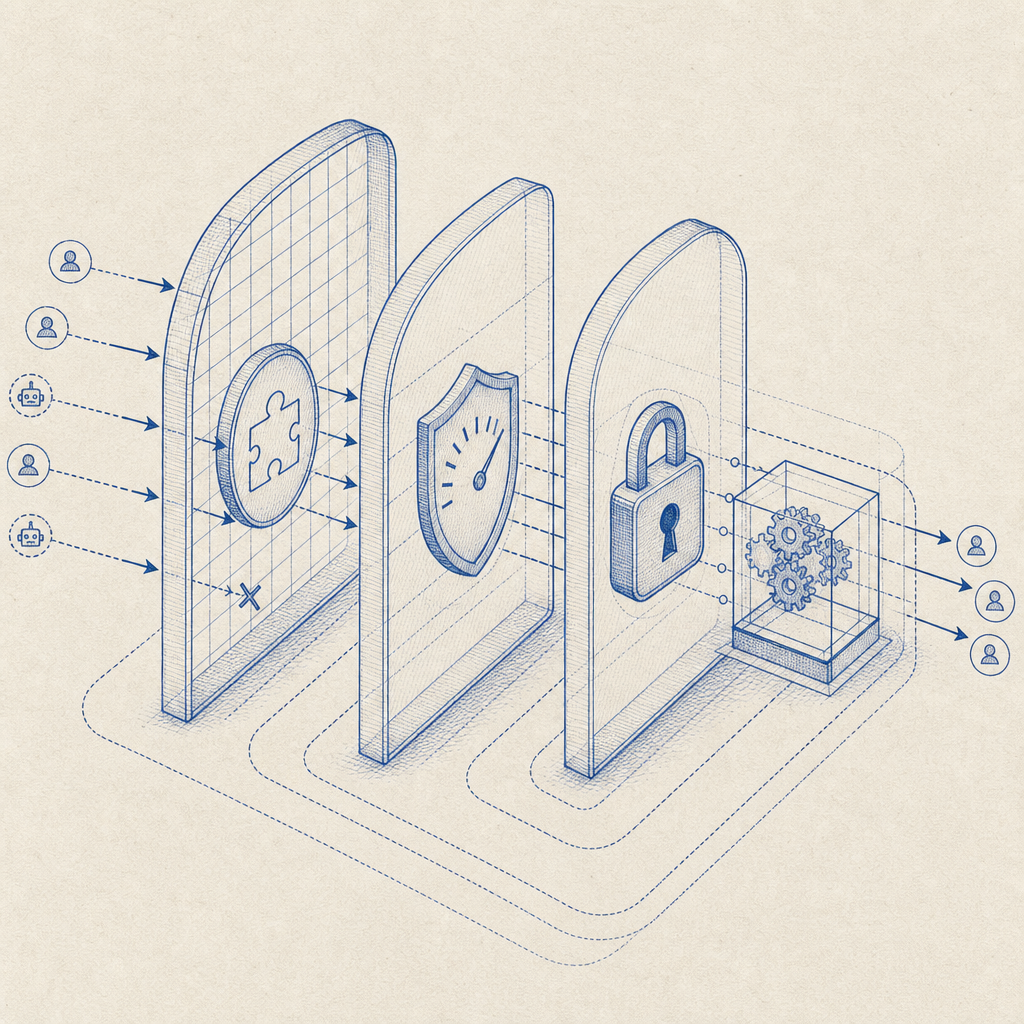
Implementing a Holistic Anti Bot Strategy with Keepa
While CAPTCHA challenges are effective, combining them with supplemental strategies yields stronger protection:
- Behavioral Analysis: Monitor request patterns to detect unusual frequency or anomalies.
- Rate Limiting: Throttle Keepa API access from suspicious clients.
- IP Reputation Checks: Block known malicious IP addresses or proxies.
- Secure Authentication: Issue client tokens validated on your servers before passing requests to Keepa.
- Periodic CAPTCHA Challenges: Use CaptchaLa or similar services to verify suspicious sessions.
Keeping this multi-layered defense will safeguard your Keepa access against evolving bot threats.
Conclusion
Anti bot checks for Keepa are vital to preserving the integrity and availability of your price-tracking data. CAPTCHA services like CaptchaLa offer versatile, developer-friendly options to incorporate human verification efficiently within Keepa-powered workflows.
Coupled with rate limiting, IP filtering, and token validation, a well-rounded anti bot approach helps prevent abuse and keeps your data ecosystem healthy. Explore CaptchaLa’s documentation to start integrating robust anti bot checks today.
Where to go next? Check out CaptchaLa’s pricing plans to select the tier that fits your Keepa integration needs.