
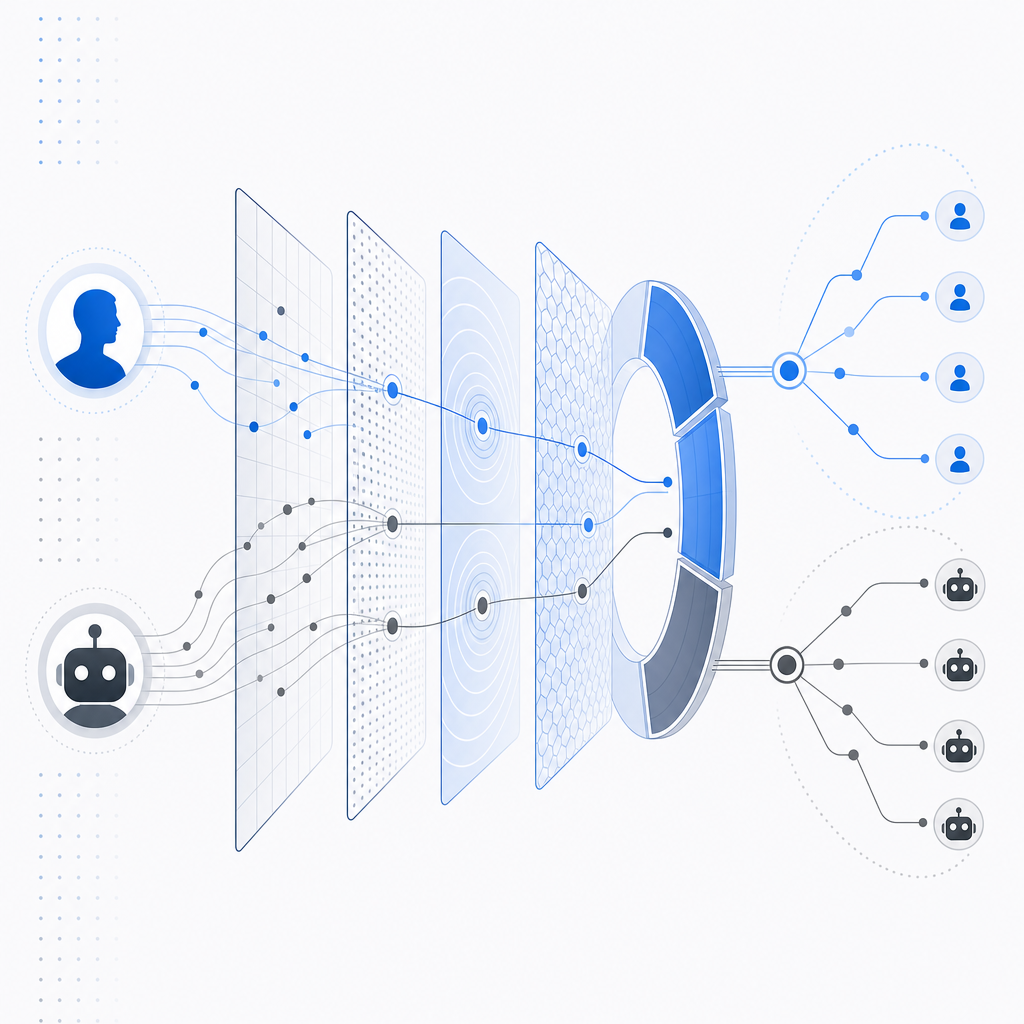
Anti bot CAPTCHA is a critical security measure used to differentiate real human users from automated software or bots. Its main purpose is to prevent harmful scripts, like spam bots, scalpers, or credential stuffing tools, from abusing web services, ensuring a safer experience for genuine users. By challenging visitors to solve puzzles that only humans can easily complete, anti bot CAPTCHA systems act as gatekeepers, protecting sites from fraud, overuse, and malicious attacks.
What is Anti Bot CAPTCHA and How Does It Work?
At its core, an anti bot CAPTCHA is a mechanism that tests whether a user is human or a bot through interactive challenges. These challenges range from deciphering distorted text or clicking certain images to invisible behavioral analysis. When a visitor completes the task, the system verifies the response to grant or deny access.
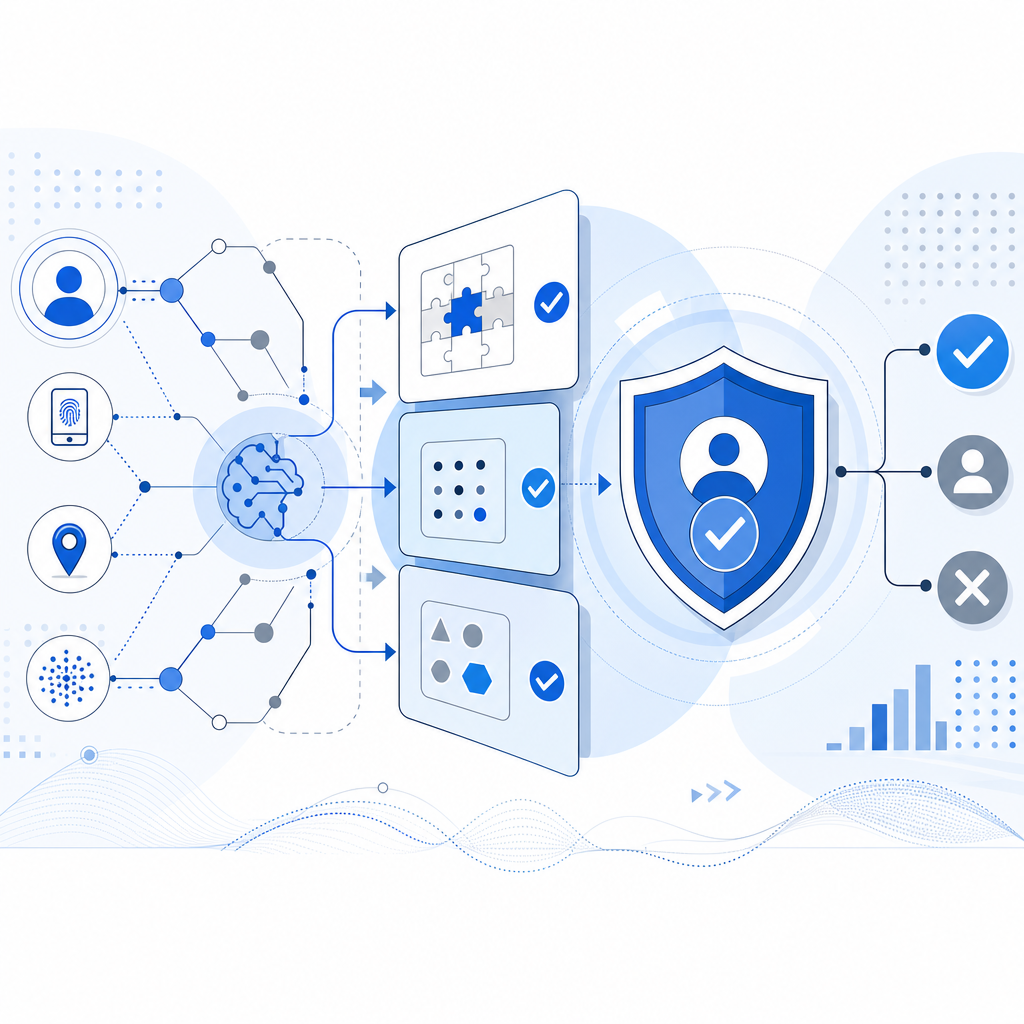
Unlike traditional CAPTCHAs that rely solely on visual puzzles, modern anti bot CAPTCHA solutions often combine multiple data points such as mouse movements, typing patterns, and device fingerprinting. This layered approach improves accuracy, reduces friction, and keeps automated traffic out without frustrating legitimate users.
Key components of anti bot CAPTCHA:
- Challenge generation — creating tasks that are easy for humans, hard for bots
- User interaction analysis — observing behavior during the challenge
- Verification — matching the user’s response with expected patterns
- Adaptive difficulty — adjusting challenge complexity based on risk level
Comparing Popular Anti Bot CAPTCHA Solutions
When selecting an anti bot CAPTCHA provider, understanding the differences among major players helps guide the choice. Here’s how some well-known options align on key features:
| Feature | reCAPTCHA | hCaptcha | Cloudflare Turnstile | CaptchaLa |
|---|---|---|---|---|
| Challenge Type | Image/text puzzles | Image puzzles | Invisible challenges | Flexible puzzles + risk analysis |
| Privacy Focus | Google data collection | Privacy-centric | Minimal data collection | First-party data only |
| SDK Support | Web, mobile | Web, mobile | Web | Web, iOS, Android, Flutter, Electron |
| Pricing | Free, some paid tiers | Free + paid options | Free | Free tier + scalable tiers |
| Language Support | Limited (mainly English) | Multi-language | English mainly | 8 UI languages |
While reCAPTCHA is widely adopted for its ease of use, concerns about data privacy push many toward alternatives like hCaptcha or CaptchaLa. Cloudflare Turnstile offers invisible protection but with limited customization options.
CaptchaLa provides a comprehensive SDK ecosystem and thoughtful privacy protections, designed for developers seeking flexible integrations and transparent pricing.
Technical Specifics in Implementing Anti Bot CAPTCHA
To successfully integrate an anti bot CAPTCHA solution, developers should consider several technical factors:
SDK & Platform Support: Choose a provider with native SDKs matching your technology stack. For example, CaptchaLa supports React, Vue, iOS, Android, Flutter, and Electron, making it usable across diverse environments.
Verification Workflow: Ensure your backend validates CAPTCHA tokens securely by calling the provider’s API (e.g., CaptchaLa’s validation endpoint accepts POST requests with tokens and IP addresses).
Challenge Customization: Adjust difficulty levels or challenge types based on user behavior or risk signals to balance usability and security.
Privacy Compliance: Confirm the service meets data protection standards, especially regarding first-party data usage and minimal tracking.
Language & Accessibility: Support multiple UI languages and consider accessibility for users with disabilities.
Here’s a simple example of server-side validation using CaptchaLa’s API in pseudocode:
// Receive pass_token and client_ip from client
requestBody = {
    pass_token: "<user_token>",
    client_ip: "<user_ip>"
}

// Set authentication headers with your app key/secret
headers = {
    "X-App-Key": "<your_app_key>",
    "X-App-Secret": "<your_app_secret>"
}

// POST to CaptchaLa validation endpoint
response = POST("https://apiv1.captcha.la/v1/validate", requestBody, headers)

// Verify response success and act accordingly
if response.success {
    allowAccess()
} else {
    blockOrChallengeUser()
}
Why Anti Bot CAPTCHA Matters Beyond Basic Security
Beyond blocking scripted abuse, effective anti bot CAPTCHA solutions help:
- Protect user data: By preventing automated data harvesting or brute-force attacks.
- Improve user experience: Reducing false positives and unnecessary challenges.
- Reduce operational costs: Fewer malicious requests lower server load and bandwidth costs.
- Support regulatory compliance: By aligning with privacy laws due to responsible data handling.
New forms of abuse constantly evolve, so an anti bot CAPTCHA that stays updated with adaptive algorithms and behavior analysis is vital. CaptchaLa, for instance, emphasizes proactive defense with first-party data and multiple SDKs to keep integration seamless and reliable.
Conclusion: Choosing and Implementing the Right Anti Bot CAPTCHA
Selecting an anti bot CAPTCHA platform depends on your site’s scale, user base, and security priorities. Well-known providers like reCAPTCHA and hCaptcha offer solid protection but vary in privacy and flexibility. Cloudflare Turnstile adds invisible defense but can lack customization.
CaptchaLa strikes a balance with a modern set of SDKs, multilingual support, and transparent pricing tiers starting from a free 1,000 monthly request allowance. Its focus on first-party data and easy backend validation make it a worthy candidate for developers wanting control and clarity.
Where to go next? Explore CaptchaLa’s documentation for integration guides or check out the pricing options to find a plan that fits your needs. Adding a robust anti bot CAPTCHA is one step closer to a safer, smoother web experience for your users.