
Anti bot AI refers to the use of artificial intelligence techniques to detect, differentiate, and block automated bot traffic from genuine human users on websites and online services. Rather than relying solely on static rules or simple tests, anti bot AI continuously learns and adapts to evolving bot behaviors, making automated abuse much harder. This approach plays a crucial role in stopping scalpers, spammers, click fraudsters, credential stuffing, and other malicious activities driven by bots.
What Does Anti Bot AI Do?
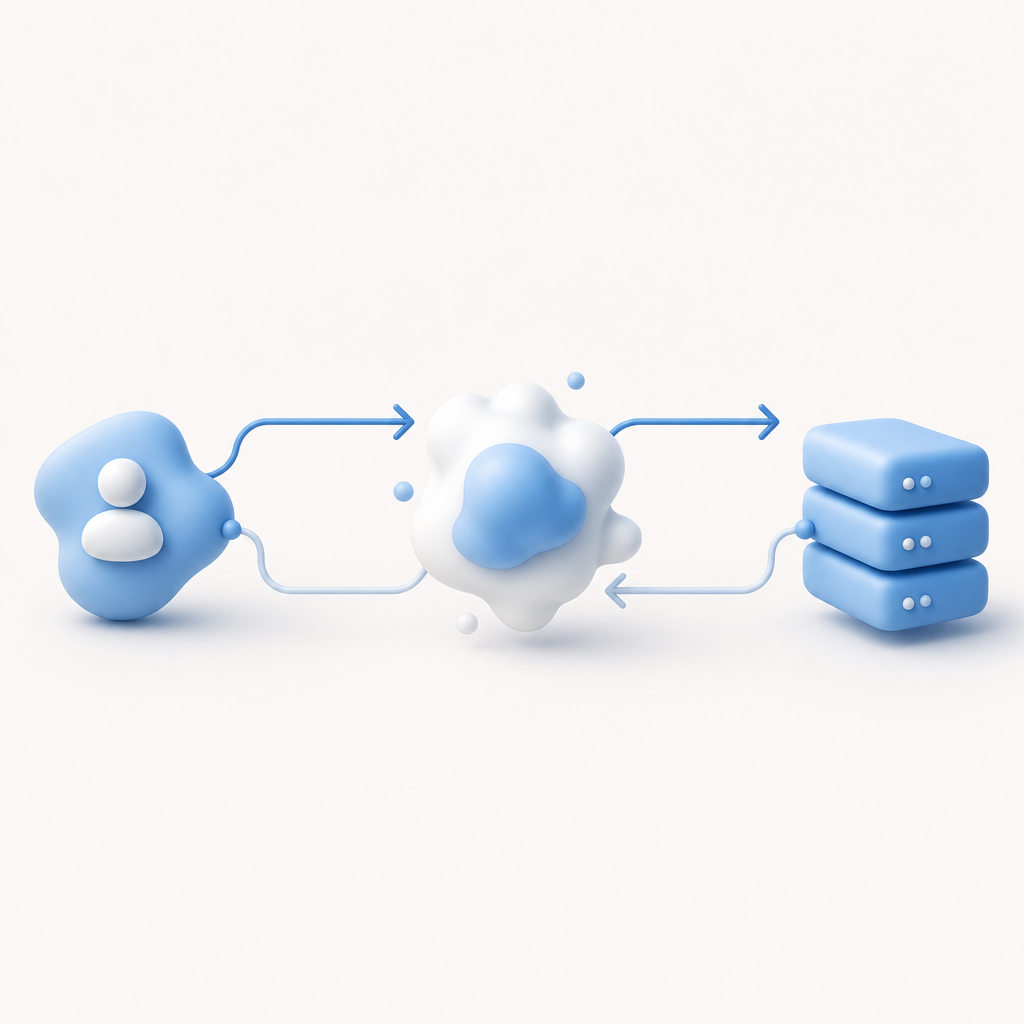
At its core, anti bot AI analyzes user interactions and metadata to identify patterns inconsistent with human behavior. Instead of just issuing a challenge or CAPTCHA test, it collects signals like mouse movements, typing cadence, device characteristics, navigation flow, and network data. Machine learning models process these signals to assign a "bot confidence score." When this score passes a risk threshold, the system blocks or challenges the suspicious traffic appropriately.
Traditional bot defenses struggled with false positives—disrupting real users—or false negatives—allowing sophisticated bots through. Anti bot AI aims to reduce both, improving user experience while tightening security. It can adjust to emerging bot evasion techniques without manual rule updates, providing a dynamic defense layer.

Key Components of Anti Bot AI Solutions
Effective anti bot AI systems usually integrate several technical elements:
1. Behavior Biometrics
Tracking how users move their cursor, scroll pages, or enter text reveals unique patterns that are difficult for bots to mimic precisely. Even slight erratic mouse movements or perfectly uniform typing speeds are signals an AI model can learn from.
2. Device and Network Fingerprinting
Analyzing browser versions, IP addresses, cookies, and TLS fingerprints helps differentiate legitimate users from bot clusters that often use proxy servers or spoofed environments.
3. Machine Learning Models
These models use supervised and unsupervised learning to detect known suspicious behaviors and anomalies. They continuously update from new data collected across sites under protection.
4. Risk Scoring and Adaptive Responses
The system assigns a risk score and dynamically decides whether to block, serve a CAPTCHA challenge, or allow pass-through. This adaptive decision-making optimizes security without impacting user flow unnecessarily.
5. CAPTCHA Integration
When uncertainty remains, AI-backed CAPTCHAs can confirm human presence while remaining accessible. These CAPTCHAs can be frictionless or visible based on risk assessment.
Comparing Popular CAPTCHA and Anti Bot AI Providers
Below is a simplified comparison of some well-known bot defense providers and their approach to anti bot AI:
| Provider | Anti Bot AI Features | CAPTCHA Type | SDKs & Platform Support | Pricing Highlights |
|---|---|---|---|---|
| CaptchaLa | Behavior analysis, AI scoring | Invisible & interactive | Web (JS, Vue, React), iOS, Android, Flutter, Electron | Free: 1000/mo; Pro: up to 200K; Business: 1M+ |
| Google reCAPTCHA | Risk analysis engine | Invisible reCAPTCHA, checkbox, v3 score | Web, Android, iOS | Free with usage limits |
| hCaptcha | ML fraud detection, user scoring | Image challenges, invisible | Web, mobile SDKs | Usage-based; competitive pricing |
| Cloudflare Turnstile | Passive bot detection | Invisible challenges | Web only | Free plan + paid tiers |
CaptchaLa’s focus on first-party data, a multi-language UI, and native SDKs for diverse platforms enable developers to implement AI-driven bot defense with flexible integration and control. The API supports server-side validation and token issuance for robust backend enforcement.
Technical Insights: Implementing Anti Bot AI with CaptchaLa
To illustrate how anti bot AI works in practice, here is a high-level overview of integrating CaptchaLa’s bot-defense in your application:
- Load the CaptchaLa Loader
Add the script loader in your frontend to initiate risk evaluation and user interaction tracking.
// Load CaptchaLa's client-side SDK
<script src="https://cdn.captcha-cdn.net/captchala-loader.js" async></script>- Request a Server-Side Challenge Token
Your backend calls CaptchaLa’s server endpoint to issue a challenge token to be embedded in your page or app.
// PHP example: Fetch challenge token from CaptchaLa API
$ch = curl_init("https://apiv1.captcha.la/v1/server/challenge/issue");
curl_setopt($ch, CURLOPT_POST, true);
curl_setopt($ch, CURLOPT_HTTPHEADER, [
  "X-App-Key: YOUR_APP_KEY",
  "X-App-Secret: YOUR_APP_SECRET"
]);
$response = curl_exec($ch);
curl_close($ch);
// Use $response->token in frontend challenge
User Completes CAPTCHA / Invisible Challenge
The frontend sends user interaction data automatically to CaptchaLa to generate the pass token.Validate on Backend
When the user submits a form or request, your backend validates the pass token with CaptchaLa’s API to confirm legitimacy.
// Go example: Validate token server-side
client := http.Client{}
req, _ := http.NewRequest("POST", "https://apiv1.captcha.la/v1/validate", bytes.NewBuffer(requestBody))
req.Header.Set("X-App-Key", AppKey)
req.Header.Set("X-App-Secret", AppSecret)
resp, err := client.Do(req)
// Check response for success/failure of validation
Using an AI-driven system like CaptchaLa allows your site to adapt bot defenses in real-time, balancing security and smooth user interactions.
Challenges and Best Practices for Anti Bot AI
- Avoid Overblocking: Overly aggressive AI models may impede genuine users, so continuous tuning, human review, and fallback CAPTCHAs are essential.
- Privacy Considerations: Choose providers like CaptchaLa that use only first-party data to respect user privacy and comply with regulations.
- Combining Signals: The strongest bot defenses blend AI scoring with additional heuristics and behavioral biometrics for accuracy.
- Regular Updates: Periodic retraining of machine learning models based on fresh data helps respond to new bot tactics.
Wrapping Up
Anti bot AI represents a sophisticated step forward from static rules, offering websites adaptable and intelligent defenses against accelerating automated abuse. CaptchaLa provides practical tools and APIs to harness these advances across platforms, from websites to mobile apps.
For developers interested in implementing or upgrading anti-bot protections, exploring solutions like CaptchaLa alongside reCAPTCHA, hCaptcha, and Cloudflare Turnstile helps make informed choices based on needs. Each platform provides unique trade-offs in AI risk scoring, CAPTCHA styles, and integration complexity.
Where to go next? Visit CaptchaLa pricing to find a plan matching your traffic needs or browse the docs to get started integrating anti bot AI today.