
Advanced NoCaptcha and Invisible CAPTCHA by Shamim Hasan provide innovative solutions to reduce user friction while enhancing bot defense. Unlike traditional CAPTCHA challenges that require explicit user interaction, these implementations focus on subtle verification methods that do not disrupt the user experience. By leveraging behavioral analysis and adaptive risk scoring algorithms, advanced NoCaptcha and Invisible CAPTCHA work behind the scenes to differentiate humans from bots with minimal or no visible challenges.
This blog post dives into the mechanics, benefits, and technical details of Shamim Hasan’s advanced approach, comparing it with popular alternatives like Google reCAPTCHA, hCaptcha, and Cloudflare Turnstile. We also highlight how CaptchaLa integrates similar methodologies for seamless, secure bot protection.
What Is Advanced NoCaptcha & Invisible CAPTCHA?
Traditional CAPTCHA systems often interrupt users with puzzles such as distorted text, image selection, or audio verification. Advanced NoCaptcha aims to eliminate these overt steps by analyzing user behavior patterns, environmental data, and background risk signals to verify users passively.
Invisible CAPTCHA goes a step further by being completely non-disruptive. It activates only dynamically when suspicious activity is detected, letting genuine users pass through transparently most of the time. Shamim Hasan’s contributions focus on combining multi-factor signals—including mouse movements, keystroke dynamics, device fingerprinting, and network context—to create a more accurate risk profile without degrading user experience.
Together, they aim to:
- Minimize friction for legitimate users
- Reduce false positives and unnecessary challenges
- Strengthen verification accuracy with adaptive, AI-driven analytics
Key Technical Features of Shamim Hasan’s Approach
1. Behavioral Biometrics & Risk Scoring
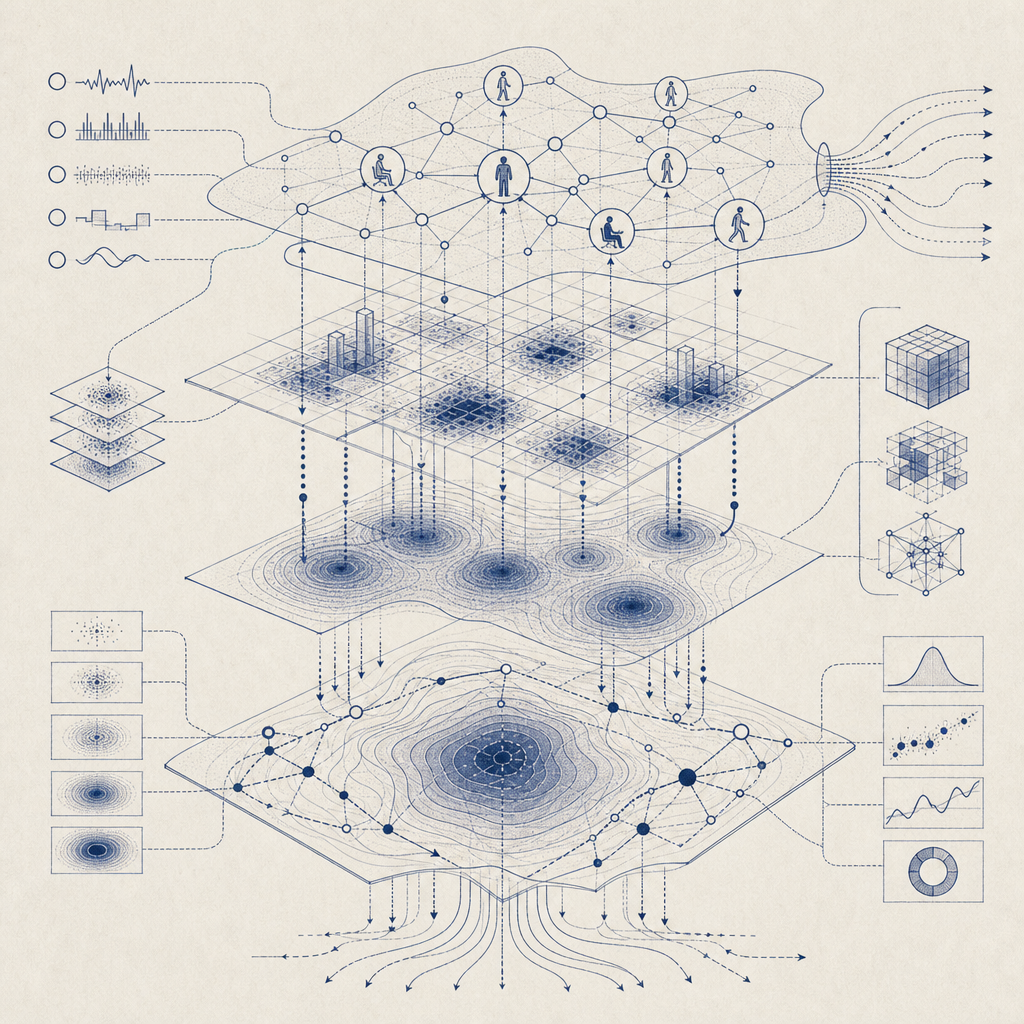
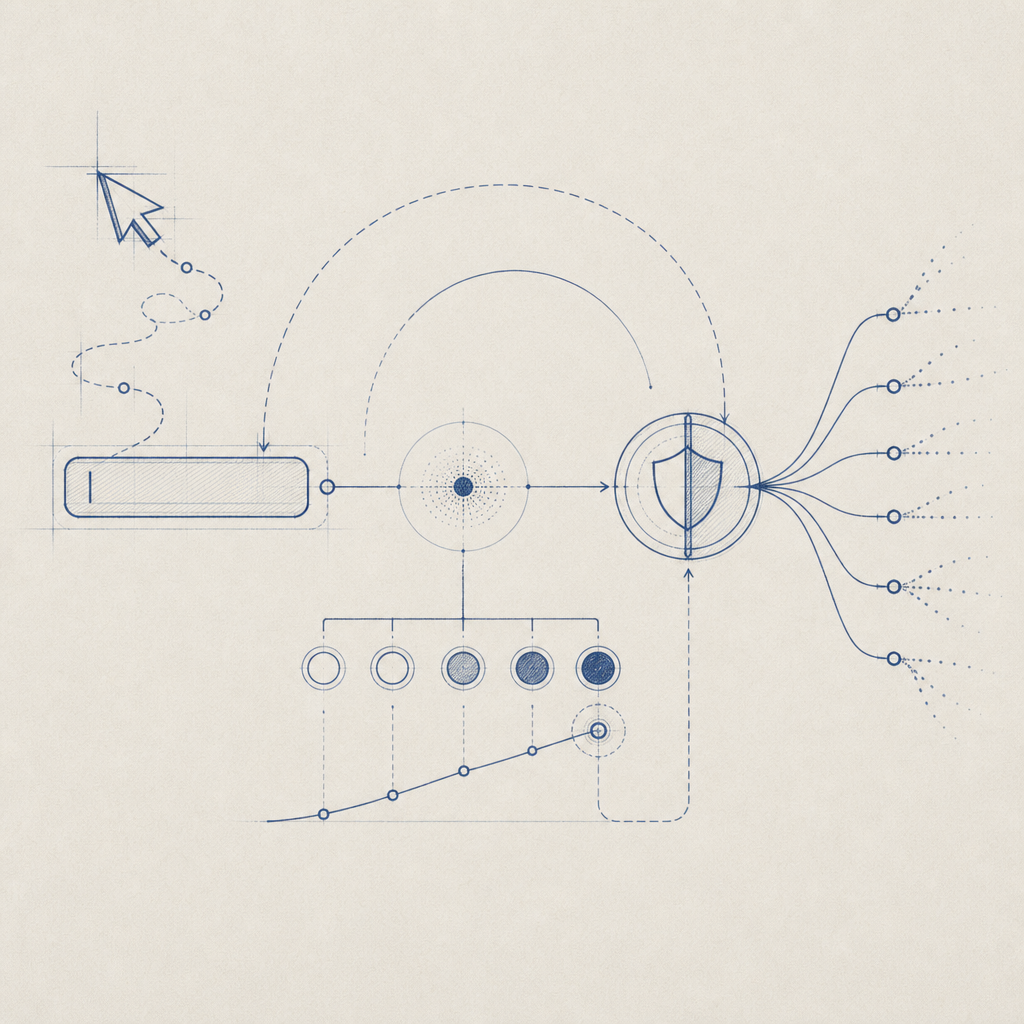
The system continuously monitors subtle behavioral cues like cursor trajectory, time spent on page, scroll behavior, and input patterns. These biometrics generate a confidence score indicating the likelihood a user is human. Those scores guide the challenge deployment process.
2. Contextual Device & Network Analysis
Features include browser fingerprinting, device model recognition, IP reputation checking, and geolocation correlation. Integrating these layers provides a holistic user profile that enhances bot detection quality.
3. Adaptive Challenge Triggering
Unlike fixed CAPTCHA flows, the invisible CAPTCHA surfaces tests only under suspicious scenarios. For example, if the behavioral score dips below a threshold, a no-friction challenge (e.g., one-click widget) appears. This adaptive methodology improves user experience while maintaining robust security.
4. Seamless Integration & Multilingual Support
The system supports various frontend frameworks like JavaScript, Vue.js, and React, with native SDKs for iOS, Android, Flutter, and Electron platforms. This flexibility enables widespread usage across web and mobile applications. Eight UI language options further improve accessibility.
Comparison: Shamim Hasan’s Advanced NoCaptcha vs Popular CAPTCHA Solutions
| Feature | Advanced NoCaptcha & Invisible CAPTCHA | Google reCAPTCHA v3 | hCaptcha | Cloudflare Turnstile |
|---|---|---|---|---|
| User Interaction | Mostly invisible, zero or minimal | Invisible (score-based) | Visible challenges possible | Invisible, challenge on risk |
| Behavioral Biometrics | Extensive tracking and heuristics | Based on client interaction | Less granular behavioral data | Uses passive risk signals |
| Adaptive Triggering | Yes, challenges on demand | Yes, threshold based | Limited adaptive triggering | Yes, automatic challenge pop |
| Integration Flexibility | Native SDKs (web/mobile/multi-lang) | JS API, limited mobile SDKs | Web & some mobile SDKs | JS and limited mobile support |
| Pricing & Data Privacy | Free tier + scalable paid plans, first-party data only | Free, data processed by Google | Paid tiers, uses third-party data | Free, part of Cloudflare services |
| Challenge Types | Invisible or simple click/no challenge | Score only, optional visible challenges | Image puzzles, audio challenges | Invisible, minimal visual interruptions |
This objective overview shows Shamim Hasan’s approach blends the low-friction benefits of Google reCAPTCHA v3 and Cloudflare Turnstile with unique behavioral biometrics and adaptive triggers, backed by extensive multi-platform SDKs.
Integrating Advanced NoCaptcha with CaptchaLa
CaptchaLa offers a practical implementation of advanced NoCaptcha and invisible CAPTCHA solutions, harnessing many of the principles pioneered by Shamim Hasan. Here’s how CaptchaLa supports developers:
- SDKs & Language Support: CaptchaLa provides native SDKs for popular environments including JavaScript variants (React, Vue), iOS, Android, Flutter, and Electron, enabling straightforward integration across platforms.
- Rich API Endpoints: Developers validate tokens efficiently using POST requests to the validation endpoint and can issue server tokens via dedicated APIs to fine-tune challenge workflows.
- Deployment Flexibility: CaptchaLa operates with first-party data privacy and offers free and scalable paid tiers, making it accessible for startups and enterprises alike.
Example: Simple Client-Side Integration
// Load CaptchaLa loader script asynchronously
const script = document.createElement('script');
script.src = 'https://cdn.captcha-cdn.net/captchala-loader.js';
script.async = true;
document.head.appendChild(script);

// On captcha ready, execute their challenge callback
function captchaCallback(token) {
  // Send the token and client IP to server for validation
  fetch('https://apiv1.captcha.la/v1/validate', {
    method: 'POST',
    headers: {
      'X-App-Key': '<YOUR-APP-KEY>',
      'X-App-Secret': '<YOUR-APP-SECRET>',
      'Content-Type': 'application/json'
    },
    body: JSON.stringify({
      pass_token: token,
      client_ip: '<USER-IP>'
    })
  }).then(response => response.json())
    .then(data => {
      if (data.success) {
        console.log('Human verified');
      } else {
        console.log('Bot detected or verification failed');
      }
    });
}
Benefits and Limitations to Consider
Benefits
- User-Friendly: Reduces cognitive load by minimizing visible tests.
- Improved Security Posture: Combines multiple data points to identify bots reliably.
- Scalable Across Devices: Multi-OS and framework support help comprehensive adoption.
- Privacy-Focused: First-party data handling minimizes exposure compared to large third-party monopolies.
Limitations
- Behavioral Data Collection Requires User Consent: Compliance with GDPR and other privacy regulations is critical.
- False Positives Still Possible: Highly sophisticated bots may simulate human-like behaviors, though adaptive triggers help mitigate this.
- Implementation Complexity: Integrators need careful configuration to balance user experience with security needs.
Conclusion
Advanced NoCaptcha and Invisible CAPTCHA by Shamim Hasan represent a thoughtful evolution in bot defense—prioritizing seamless user experience without compromising on security. By harnessing behavioral analytics, device context, and adaptive triggers, this approach fits well with the needs of modern applications demanding low-friction verification.
Solutions like CaptchaLa embody these principles, offering developers robust, privacy-conscious CAPTCHA implementations with extensive SDK support and flexible pricing.
If you want to dive deeper into implementation details or explore CaptchaLa’s offerings, check out our documentation or review the pricing plans to find a suitable fit for your project’s scale and requirements.