
If you're searching for the "1000 captcha price," you want a straightforward answer: The cost for 1,000 CAPTCHA challenges varies significantly depending on the provider, implementation type, and usage terms. For example, popular CAPTCHA services like CaptchaLa, Google reCAPTCHA, hCaptcha, and Cloudflare Turnstile each have different pricing models ranging from free tiers in small volumes to pay-as-you-go or subscription-based plans for higher volumes.
On average, paid CAPTCHA services charge anywhere from a few dollars to $10 or more per 1,000 challenges, with features and accuracy impacting the price. This post breaks down what factors influence the 1000 captcha price, compares providers, and explores technical aspects you should consider when budgeting for bot defense.
What Factors Affect the 1000 Captcha Price?
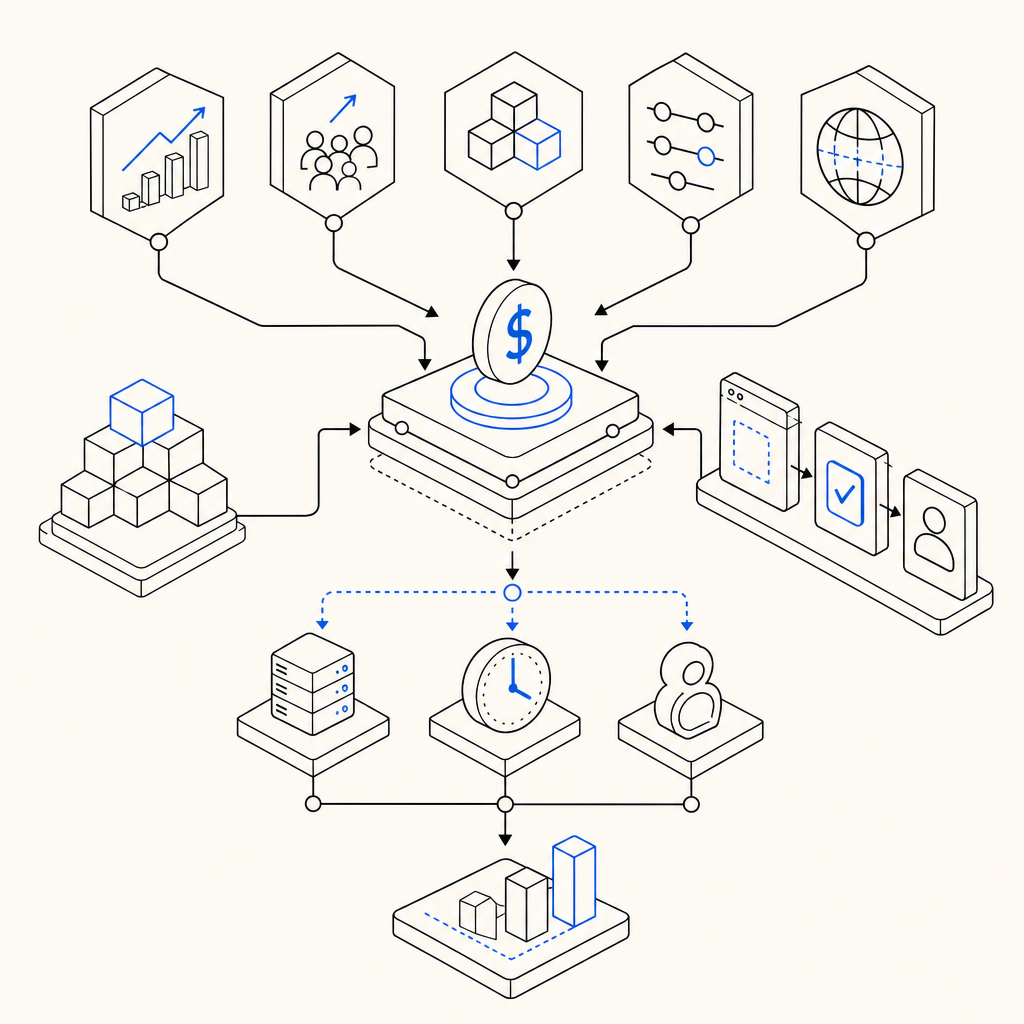
The cost per 1,000 captchas is rarely a fixed number. These main elements come into play:
1. Volume Discounts and Tiers
Many CAPTCHA providers, including CaptchaLa, offer volume-based pricing. A small number of captchas (like 1,000 per month) might be free or low cost, but prices typically decrease per captcha at larger purchase volumes. For instance, CaptchaLa has a free tier for 1,000 monthly challenges, mid-tier plans for 50K to 200K, and business plans beyond 1 million.
2. CAPTCHA Complexity and Type
More complex CAPTCHAs (image-based puzzles, behavioral detection) require more resources to serve and validate. Simple challenges or invisible CAPTCHAs tend to cost less, influencing price per 1,000.
3. Integration and SDK Support
Customers using rich native SDKs on Web (JS, Vue, React), iOS, Android, Flutter, or server SDKs (like PHP, Go) might see different pricing tied to support and maintenance level. CaptchaLa, for example, offers native SDKs and cloud service APIs, ensuring easy integration at predictable costs.
4. Security and Data Privacy
Providers focusing on first-party data only, like CaptchaLa, may price differently from those reliant on third-party data, since ownership and compliance requirements impact infrastructure costs.
5. Additional Features
Features such as analytics, fraud detection, or seamless user experience layers may add to the price. Free CAPTCHAs like Cloudflare Turnstile reduce friction but may not offer premium support or APIs suited to enterprise needs.
Comparing 1000 Captcha Price Among Popular Providers
| Provider | Approximate 1000 Captcha Price | Pricing Model | Key Notes |
|---|---|---|---|
| CaptchaLa | Free up to 1000/mo, then from $3–$8 | Tiered subscription + pay-as-you-go | Native SDKs, first-party data focus, multiple platforms supported |
| Google reCAPTCHA | Free for majority; Enterprise tiers vary | Mostly free, Enterprise paid | Widely adopted, uses broad tracking data; privacy concerns for some |
| hCaptcha | Around $1–$8 depending on volume | Pay-per-use + tier discounts | Privacy-first, rewards publishers, flexible pricing |
| Cloudflare Turnstile | Free | Free | Invisible CAPTCHA, Cloudflare customers only, limited customization |
While some providers offer completely free services for low volumes, those opting for enterprise features or increased conversion rates tend to pay more per 1,000 captchas. Considering actual usage and potential bot-risk exposure is crucial when assessing value.
Technical Breakdown: What Happens in One CAPTCHA Validation?
When you evaluate price, understanding what a captcha challenge entails technically helps clarify cost drivers:
Challenge Issuance
The client requests a captcha challenge, typically via a server-token POST or JavaScript loader (e.g.,https://cdn.captcha-cdn.net/captchala-loader.js).User Interaction
The user solves the challenge using an interface rendered in 8 UI languages or native SDKs (e.g., React, Flutter).Token Validation
After solving, the client sends apass_tokenand client IP to a validation endpoint likePOST https://apiv1.captcha.la/v1/validatewith appropriate headers (X-App-Key,X-App-Secret).Result Processing
The server responds if the token is valid or not. This exchanges network and compute resources hence part of cost.
// Pseudocode for validating a captcha token with CaptchaLa API
POST /v1/validate
Headers: X-App-Key, X-App-Secret
Body: {
  pass_token: "userProvidedToken",
  client_ip: "userIpAddress"
}
// Server verifies token integrity and returns success/failure message
Each stage adds to infrastructure load and maintenance needs, affecting the overall price model scaled to your 1,000 captcha unit blocks.
Choosing the Right Provider for Your Pricing and Security Needs
When budgeting for captcha usage, consider these:
- Volume Needs: If your traffic fits within free tier limits (e.g., CaptchaLa’s 1000 free/month), you may not pay for captcha at all initially.
- Privacy and Compliance: CaptchaLa emphasizes first-party data usage, appealing to privacy-conscious businesses; competitors may share data differently.
- Integration Complexity: Providers with robust SDKs like CaptchaLa simplify cross-platform app adoption without buried costs in customization.
- Bot Detection Accuracy: More accurate bot-defense reduces false challenges—this saves operational costs beyond direct captcha charges.
- Support and Reliability: Paid plans usually come with SLA-backed support and uptime guarantees, which some free options lack.
Conclusion: What to Expect for Your 1000 Captcha Price
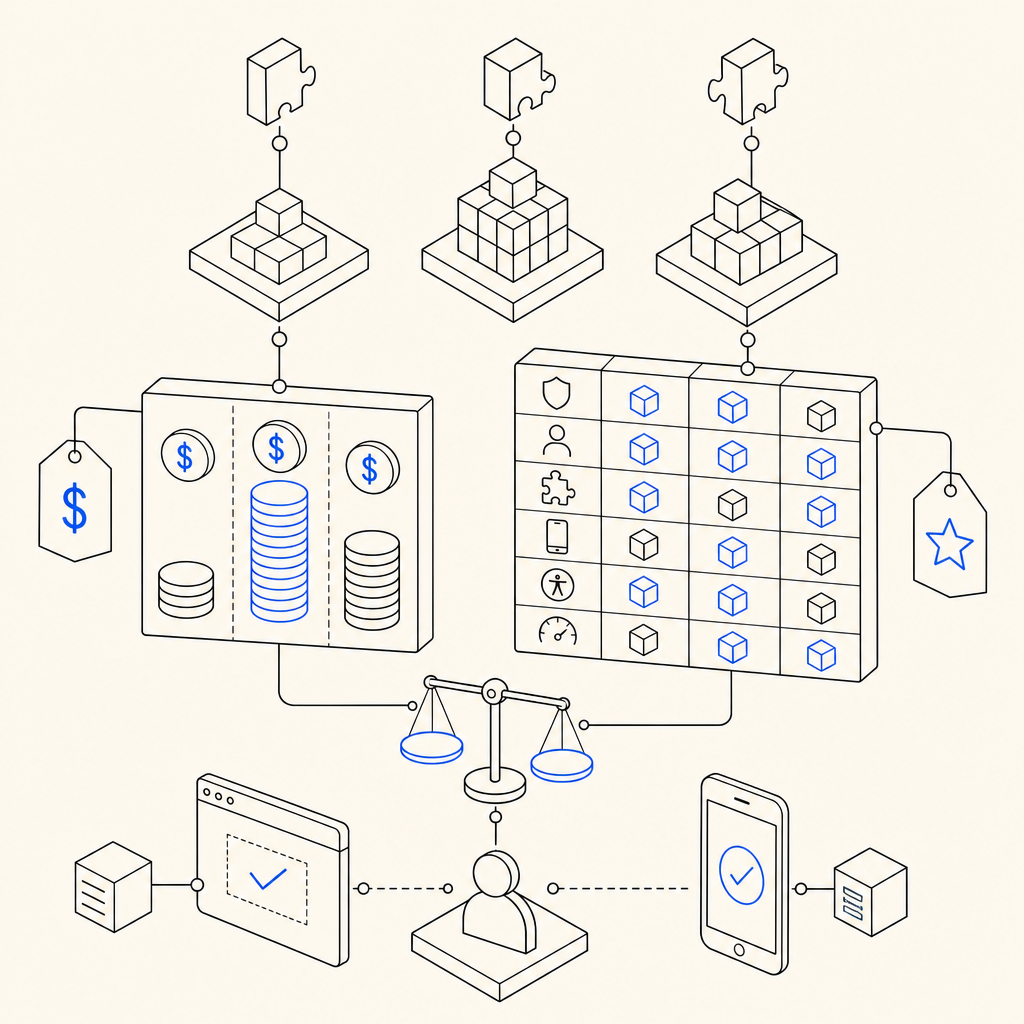
The price for 1,000 captchas depends heavily on your chosen CAPTCHA provider, usage volume, integration needs, and desired features. Expect anywhere between free to around $10 per 1,000 challenges, with tiered plans making large-scale deployments more economical.
If minimizing cost while ensuring strong bot defense is your priority, studying detailed pricing and service offerings like those from CaptchaLa is essential. CaptchaLa’s multi-platform SDKs and strict first-party data policy provide balance between security, privacy, and cost-effectiveness.
Ready to explore which pricing tier fits your business? Visit the CaptchaLa pricing page or check out the developer docs to get started.