
Bot detection on Twitter is about identifying and filtering automated accounts that can distort conversations, spread misinformation, or manipulate platform dynamics. Because Twitter combines public real-time communication with massive user reach, protecting it from malicious bots requires sophisticated detection approaches and reliable defenses.
This blog post breaks down how bot detection works on Twitter, compares popular bot mitigation tools, and explores how independent solutions like CaptchaLa contribute to authentic user verification without sacrificing user experience.
Understanding Bot Detection on Twitter
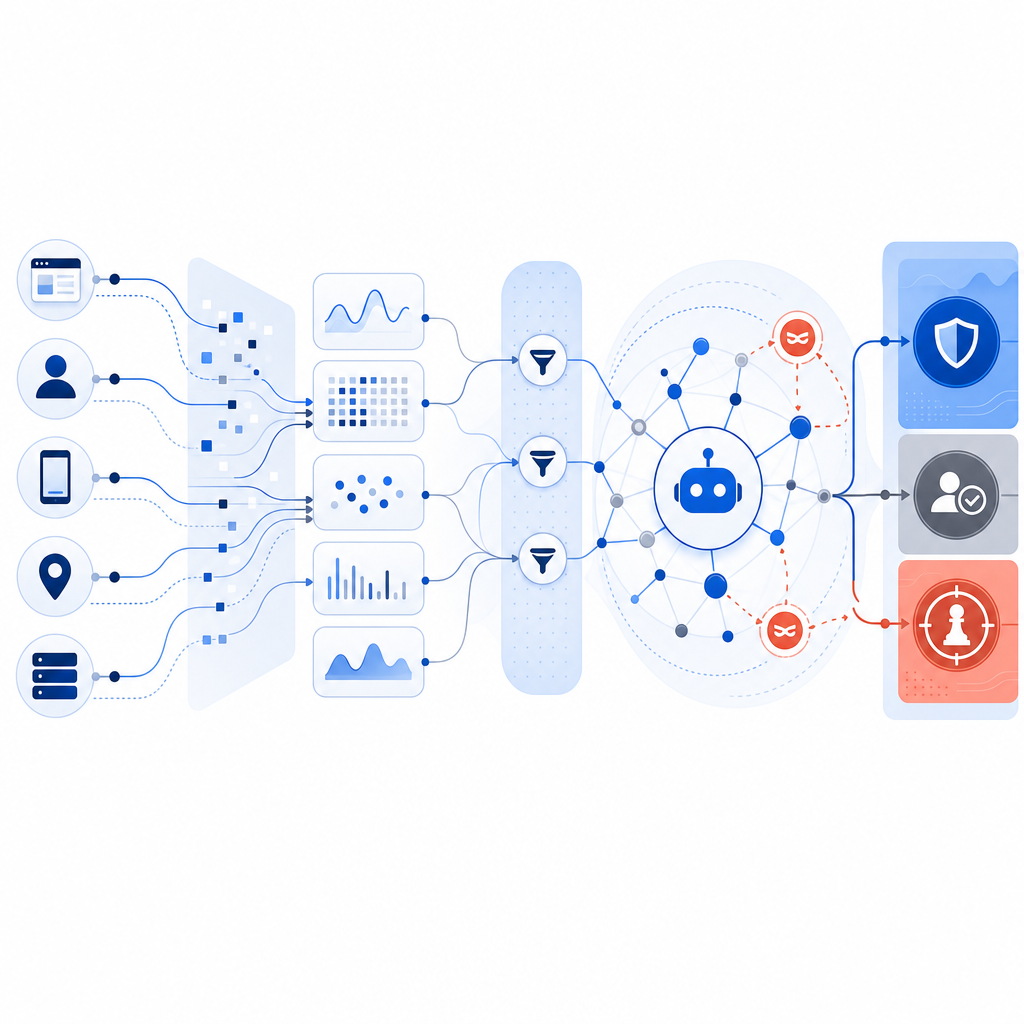
Bots on Twitter vary in complexity from simple automated scripts to advanced AI-powered accounts mimicking human behavior. Detecting these bots involves analyzing behavioral patterns, account metadata, and interactive signals. Common indicators include:
- Unusually high tweet frequency or volume
- Repetitive or template-based content
- Abnormal account creation timestamps
- Suspicious follower/following ratios
- Inconsistent engagement patterns
Machine learning models trained on these features power most detection algorithms, flagging likely bots for review or automatic mitigation.
Challenges in Bot Detection on Social Media
Twitter’s openness makes bot detection challenging. Bots continuously evolve to appear more human—changing posting habits, engaging in conversations, or even learning context. Effective detection balances sensitivity (catching real bots) and specificity (not falsely blocking real users).
The stakes are high: too many false positives hurt user experience; missed bots undermine platform integrity. Thus, layered detection combined with active defenses like CAPTCHA or bot challenges is critical.
Popular Bot Defense Tools and Their Role
Several CAPTCHA and bot detection SaaS providers offer different methods to defend platforms like Twitter from bots. These include:
| Tool | Detection Method | User Experience | Integration Platforms | Notes |
|---|---|---|---|---|
| reCAPTCHA (Google) | Risk analysis + user challenges | Some friction during challenge | Web, Mobile SDKs | Widely adopted, with image/audio puzzles |
| hCaptcha | User puzzles + privacy-focused signals | Customizable difficulty levels | Web, Mobile | GDPR-friendly alternative |
| Cloudflare Turnstile | Invisible challenges + behavior analysis | Minimal, focusing on frictionless UX | Web only | Lightweight, no user interaction usually |
| CaptchaLa | Token-based client-server verification | Low friction, customizable UI | Web + iOS/Android + Flutter SDKs | First-party data only, multilingual support |
Each solution combines automated detection signals with user challenges as fallback. CaptchaLa particularly emphasizes flexible SDKs supporting diverse platforms and eight UI languages, facilitating global deployment with minimal invasiveness.
Integrating Bot Detection into Twitter-like Systems
To implement effective bot detection and defense on a platform similar to Twitter, developers should follow these key steps:
- Data Collection: Collect behavioral metrics (e.g., request timestamps, click patterns) plus account metadata securely.
- Initial Analysis: Use heuristics or ML algorithms to score accounts or sessions for bot-like traits.
- Challenge Issuance: For suspicious users, trigger an interaction challenge to prove humanity—this could be a CAPTCHA or custom test.
- Verification: Validate challenge responses server-side using APIs such as CaptchaLa’s
/validateendpoint. - Action Enforcement: Based on results, allow, block, or flag user accounts or actions accordingly.
Example snippet showing server-side token validation (pseudocode):
# Validate CaptchaLa token after user completes challenge
def validate_token(pass_token, client_ip):
    payload = {
         "pass_token": pass_token,
         "client_ip": client_ip
    }
    headers = {
         "X-App-Key": "your-app-key",
         "X-App-Secret": "your-app-secret"
    }
    response = post("https://apiv1.captcha.la/v1/validate", json=payload, headers=headers)
    return response.json().get("success", False)
This flow ensures that only genuine users pass through without interruption, while advanced bots get filtered out efficiently.
Why CaptchaLa is Relevant for Twitter-Style Bot Defense
Twitter’s sheer traffic scale means any defense mechanism has to be scalable and support multiple client environments including web, mobile, and desktop. CaptchaLa addresses these needs with:
- Native SDKs for Web (JS/Vue/React), iOS, Android, Flutter, and Electron
- Support for eight UI languages to accommodate global users
- Server SDKs like
captchala-phpandcaptchala-gofor backend verification - A free tier for entry-level usage, scaling through Pro and Business plans up to one million monthly requests
- First-party data focus enhancing privacy compared to some third-party CAPTCHA solutions
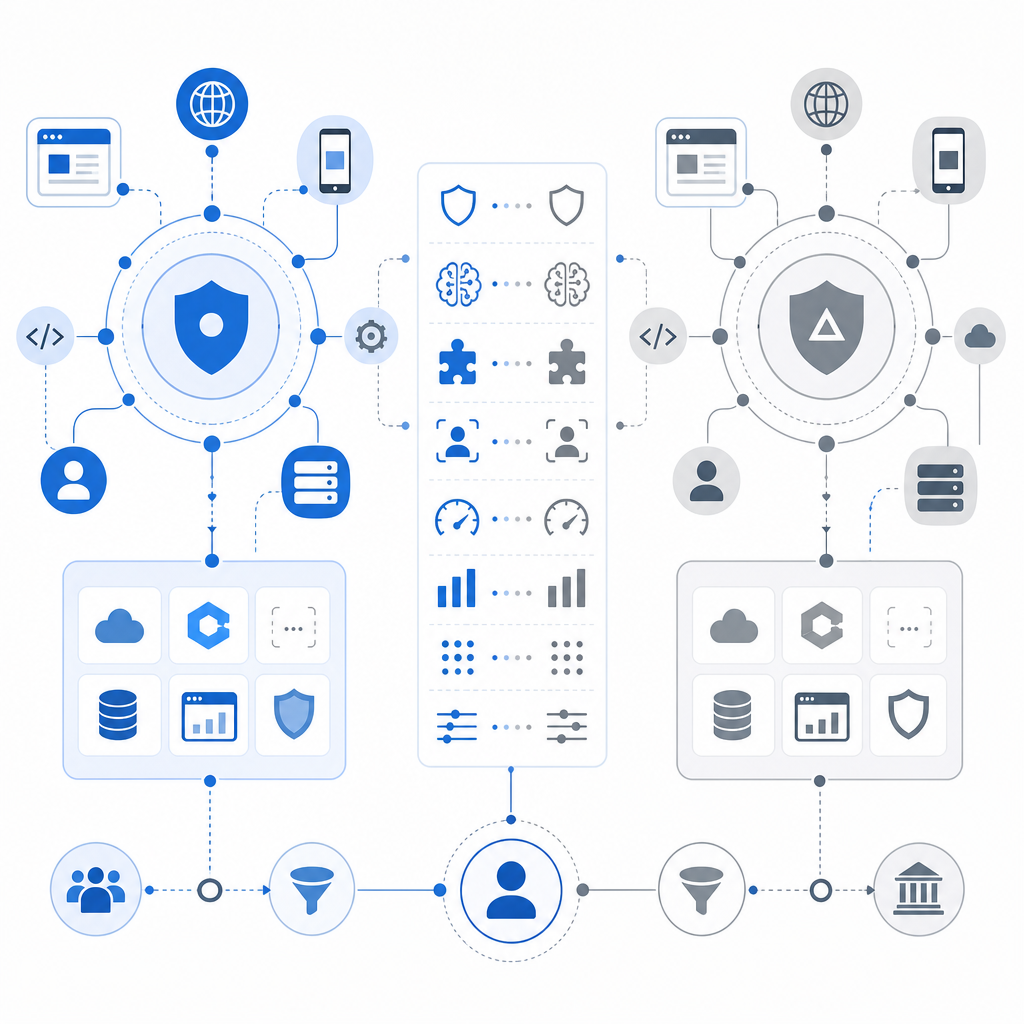
While solutions like reCAPTCHA and hCaptcha lead the market, alternatives like CaptchaLa offer developers flexibility on integration and cost control, especially for platforms needing international language support and client diversity.
Conclusion
Bot detection on Twitter or similar platforms combines sophisticated behavioral analysis with interactive challenges to preserve authentic user engagement. Integrating CAPTCHA mechanisms like those offered by CaptchaLa can significantly fortify bot defenses while maintaining user experience.
For developers building social media or high-traffic platforms, evaluating multiple bot detection tools—including CaptchaLa, reCAPTCHA, hCaptcha, and Cloudflare Turnstile—ensures a balanced approach. Each has unique strengths in usability, privacy posture, and ecosystem compatibility.
Where to go next? Check out CaptchaLa’s pricing for an overview of plans or dive into the technical details in the docs to explore integration possibilities for your site or app. Robust bot defense starts with informed choices about detection and user verification technology.